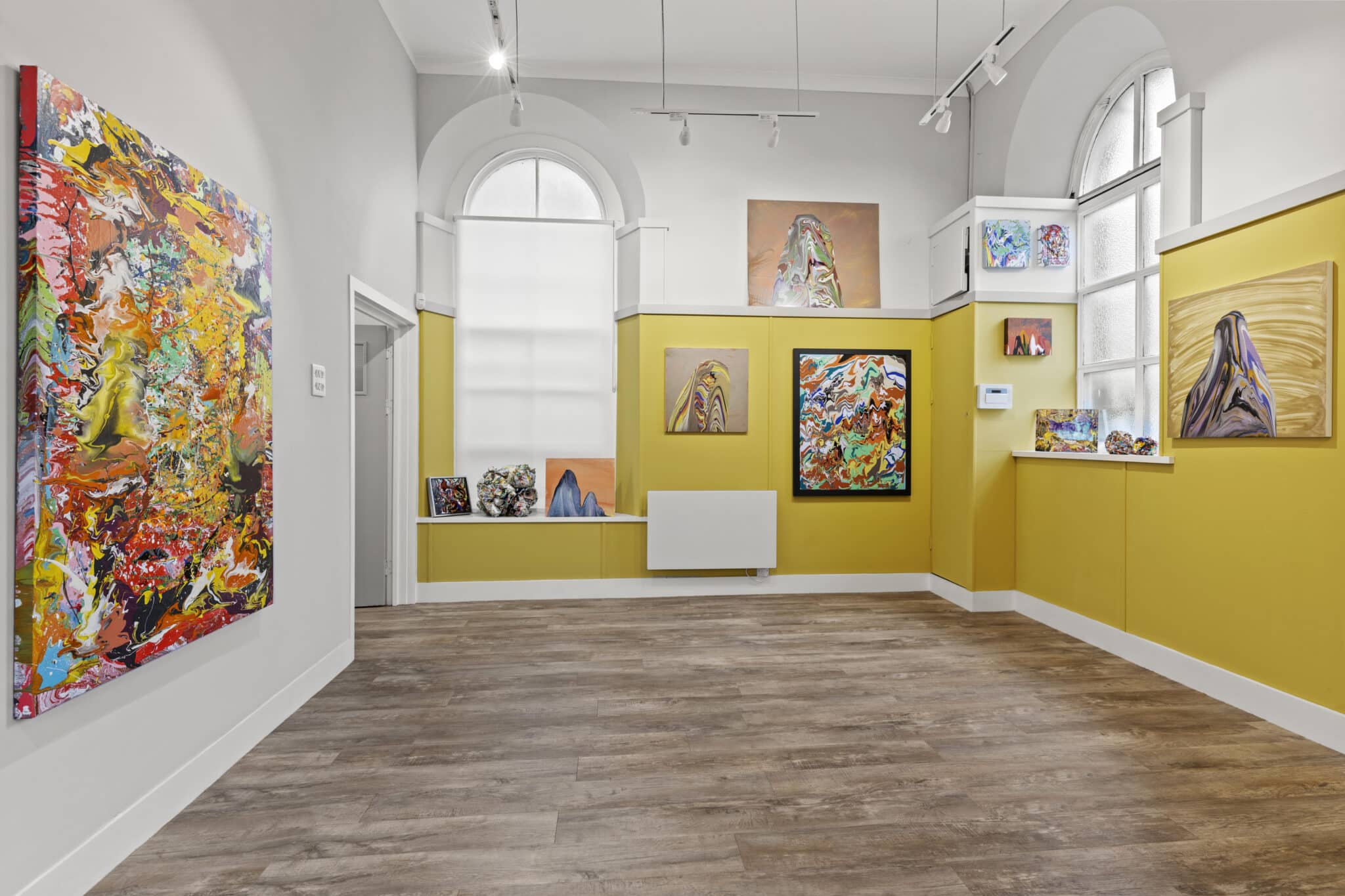
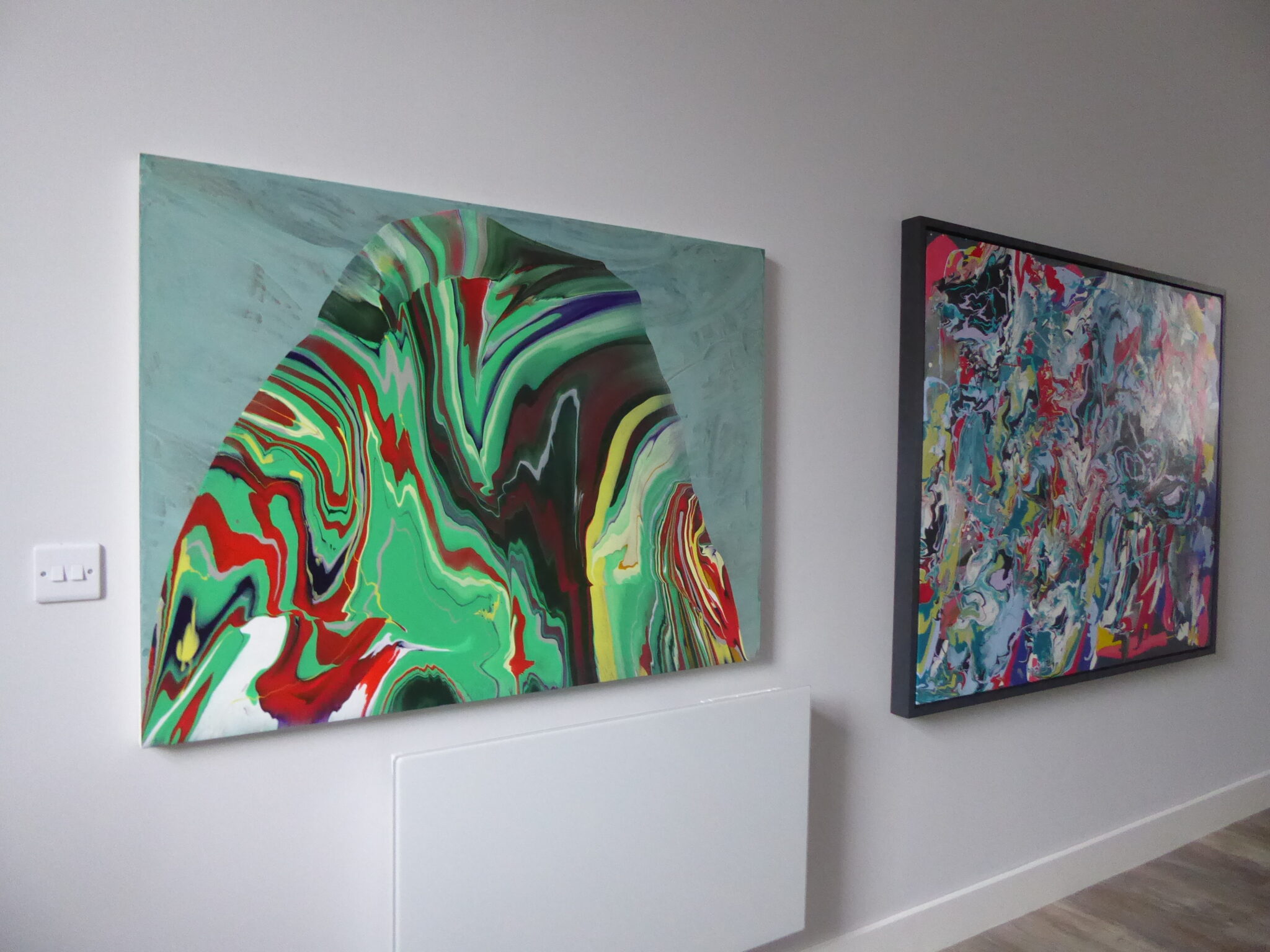
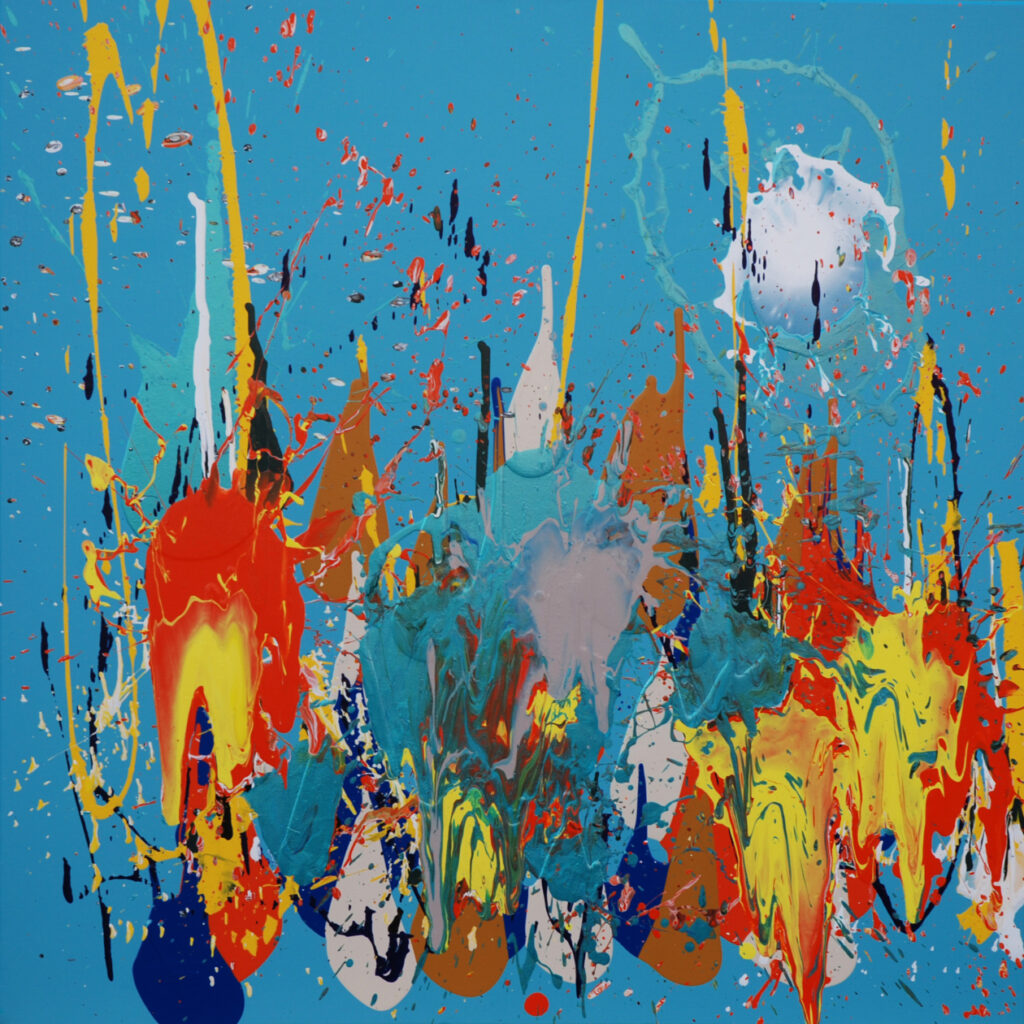
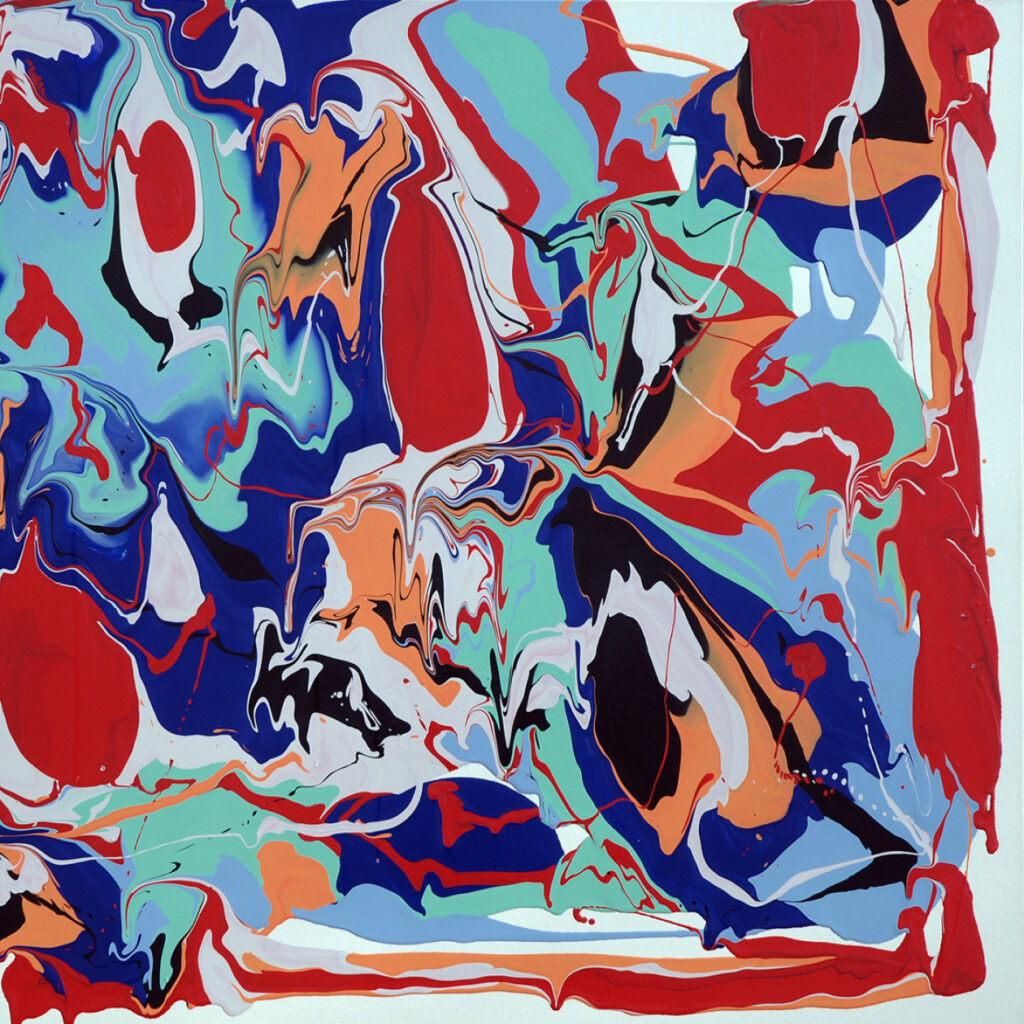
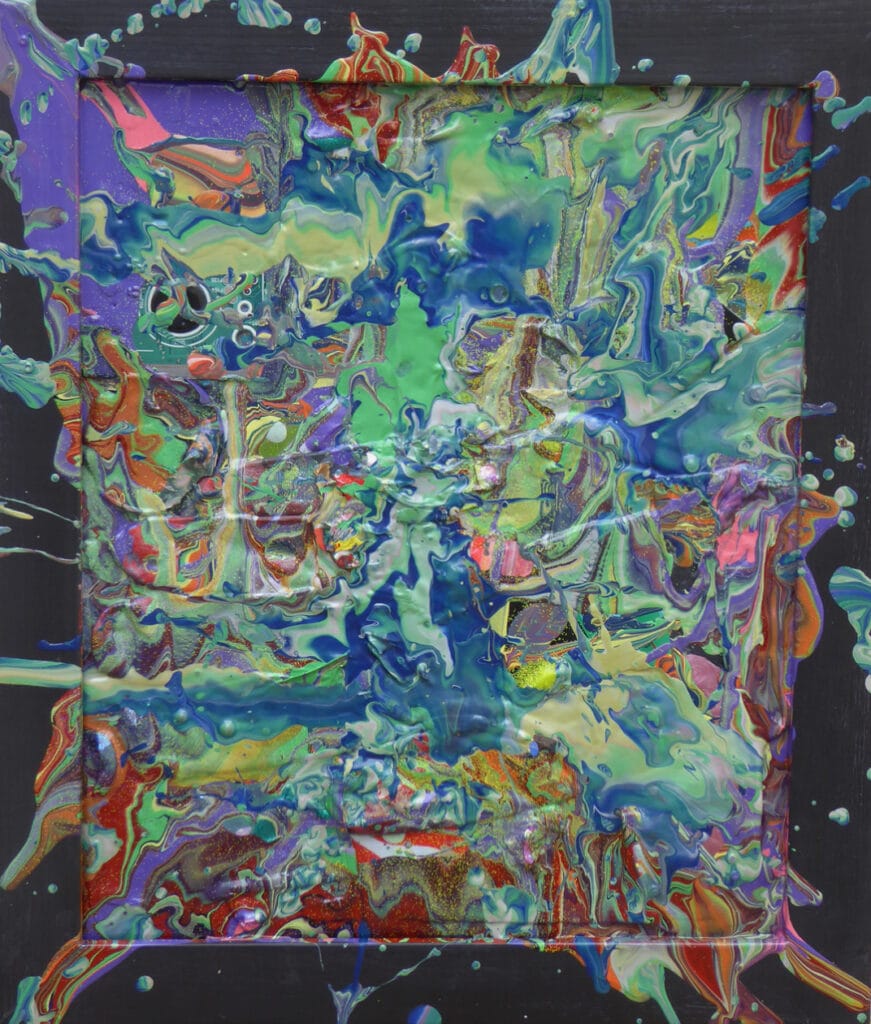
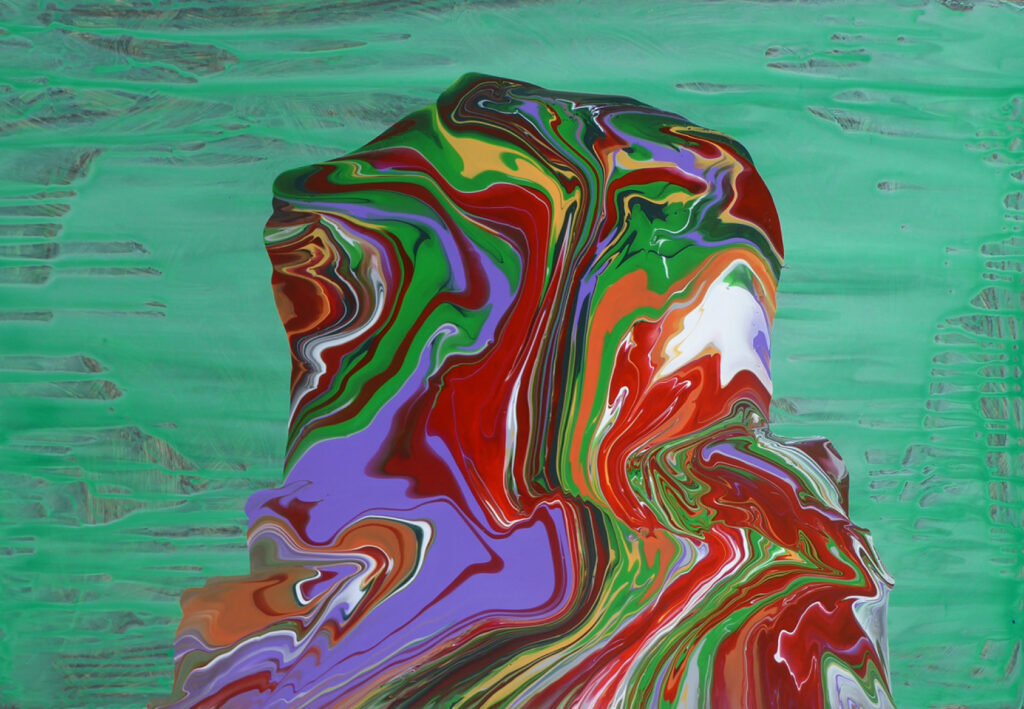
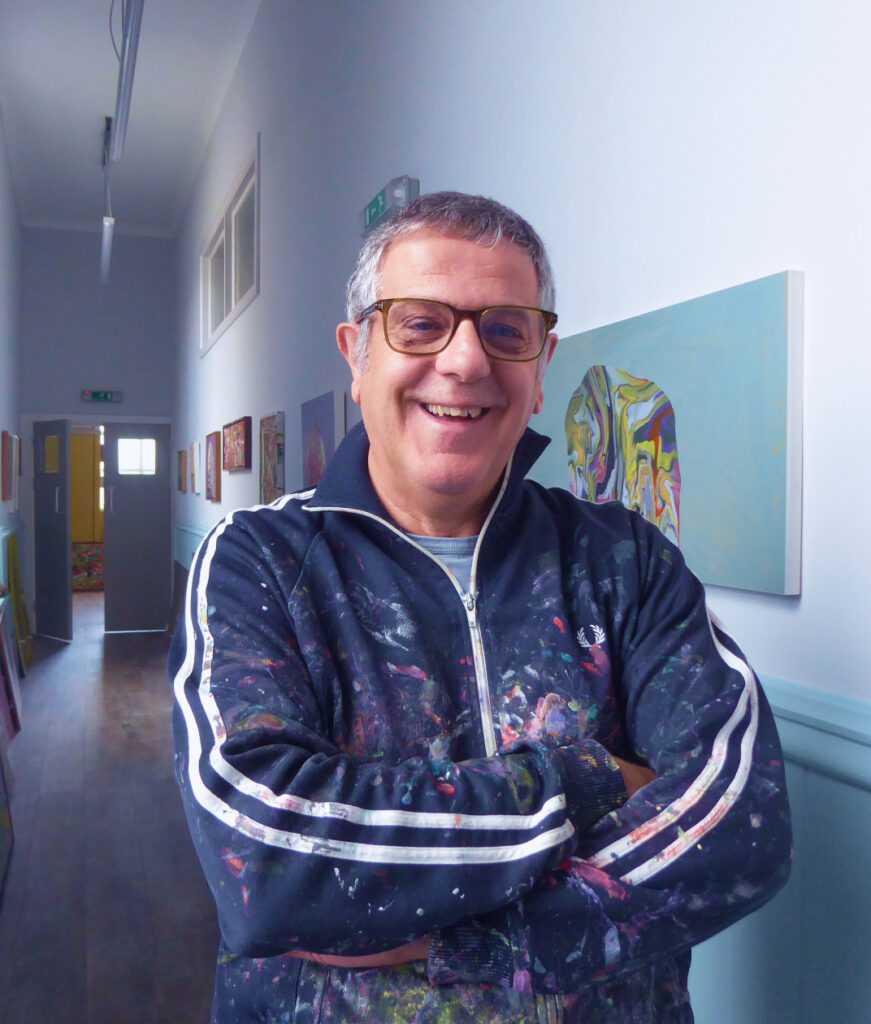
Zino Pece is an abstract painter from Swansea, South Wales, UK. Influenced by movements such as Surrealism, Abstract Expressionism, Colour Field and New New Painting, he explores fresh possibilities for this medium and refutes the suggestion that painting is dead.
ALL IMAGES COPYRIGHT 2009 ZINO PECE
WEBSITE BY: MIKE LEACH | CREATIVE
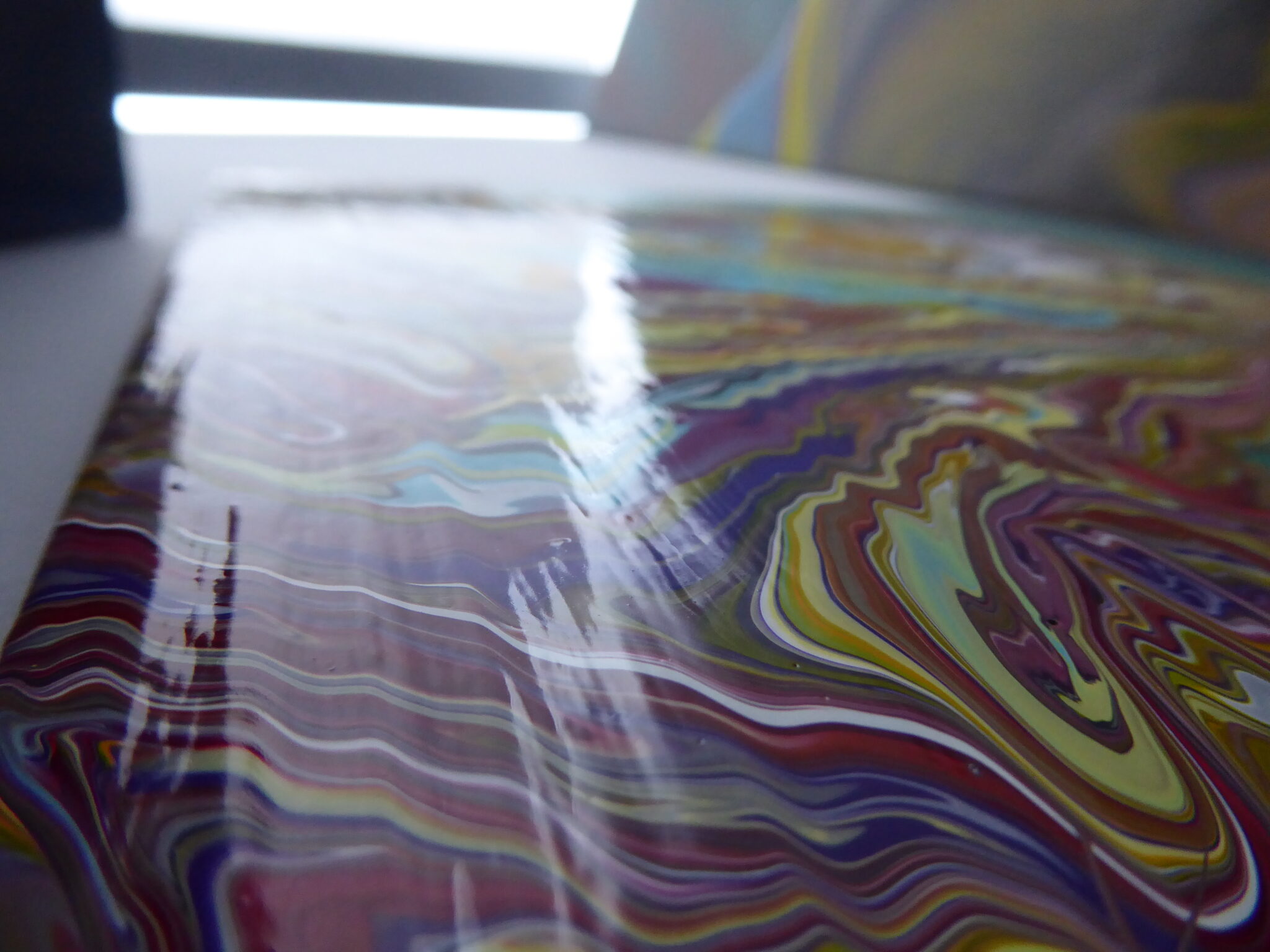
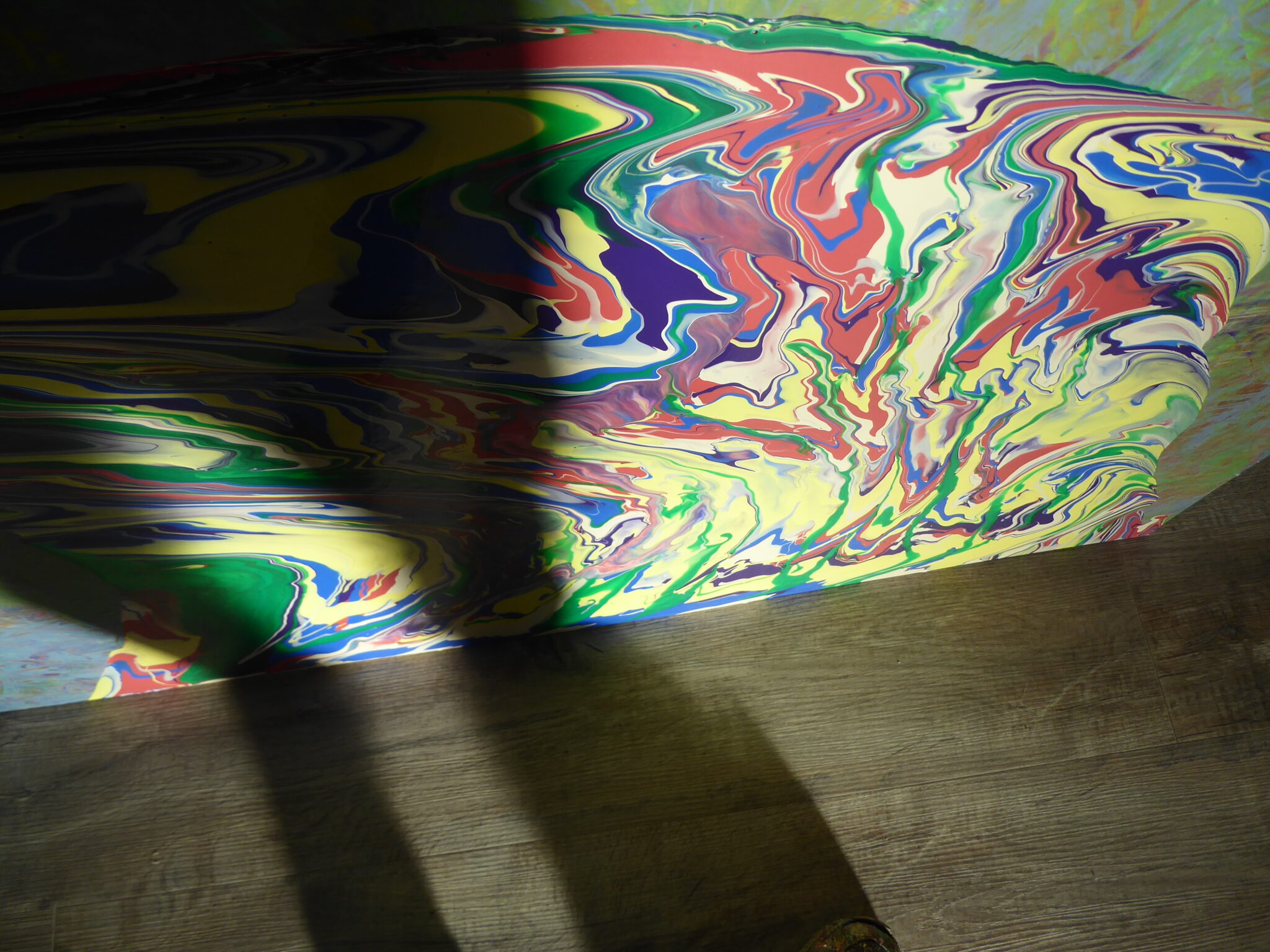
In the last two years, the British painter, Zino Pece, has become one of the handful of painters who I think of as at the cutting edge of modern abstraction. Following in the footsteps of Jackson Pollock and Morris Louis, he orchestrates improvisational paint pouring on a large scale. Unlike his forebearers, he is able to exploit the unique properties of the new water based polymer paints to achieve the freedom and fluidity which he craves. Pece’s pictures freeze a spontaneous, yet perfect moment in the flow of paint.
Kenworth Moffett, Ph.D
October 2010
Art critic Kenworth Moffett was curator of Modern and Contemporary Art at the Museum of Fine Arts, Boston. He has organised numerous exhibitions and written monographs on several artists including Kenneth Noland and Morris Louis.
I can’t say that art has always been in my blood. There are no family connections and there were no childhood interests in painting, unless you can include ripping and scribbling on my bedroom wallpaper. Maybe these formative works were shaping a preference for the avante-garde?
My first day at school is remembered for being reduced to tears at the prospect of having to draw. We were given a piece of paper and pencil and asked to make a drawing, I didn’t know what to do, not much has changed.
It was not until my early teens, when I took up photography in school, that I remember becoming interested in art. At last I’d found something that excited me and I took to it quickly. Prior to this, pictures in books- be they photographic.
or illustrations fascinated me, but I didn’t know why. I just remember being more inclined to look at images in books and magazines rather than read the text and I would play the game of judging which images I liked best. I would also do this at home every year with Christmas cards. Looking back I can see how this relates to my visual sense, not only for the importance of training the eye, but it is also linked to my interest in aesthetics and the importance of making value judgments.
At age sixteen I went to college to gain the qualifications to study photography. Art was one of the subjects, and in 1979 we were taken to a Post Impressionist exhibition in London- I was blown away. Not just by the paintings themselves, but also the methods used. Seeing them in
Here is a painting from around this time: Umbrellas C.1980
the flesh was so different and better than print. I’d not been aware of how raw and far removed from realism this art was. I still see people today looking surprised when they see this for the first time. Not being the most naturally gifted at representational drawing, I was encouraged and soon… Read more >